
Map the Seasons, Move Your Containers, Multiply Your Harvest
Today we explore seasonal microclimate mapping to rotate containers and maximize growth, turning sun angles, wind corridors, and heat-storing surfaces into an everyday advantage. With a simple map and a calm routine, you’ll reposition pots at the right moments, stretching bloom times, boosting yields, and protecting delicate roots from stress.
See the Invisible Weather in Your Yard
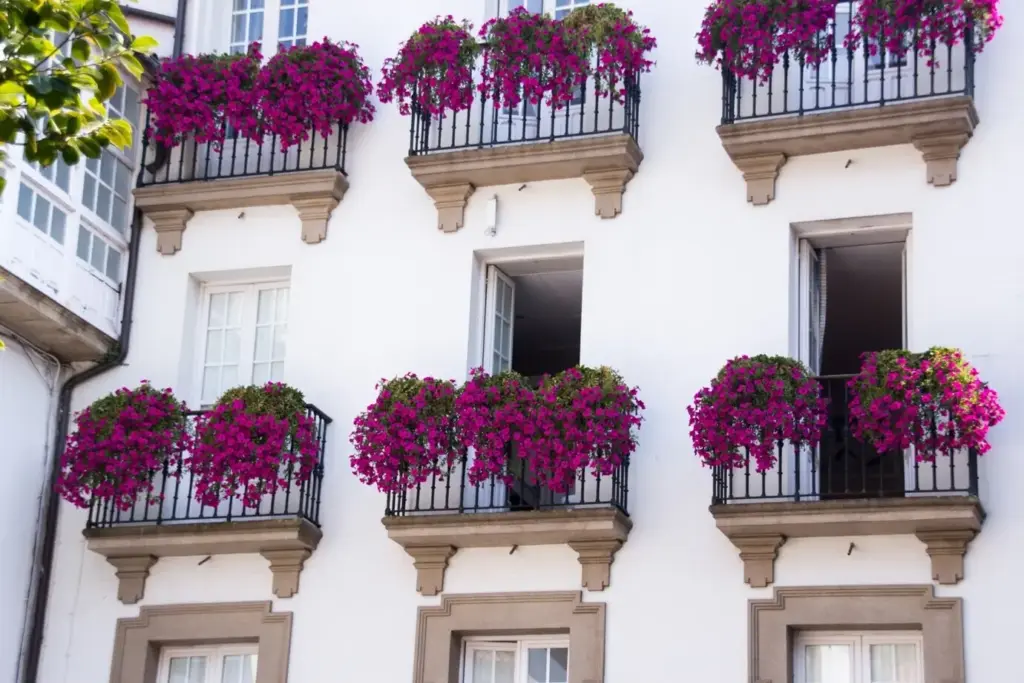
Sketch the Sun's Changing Path
Stand in the same spot morning, noon, and late afternoon for a week, marking where shadows fall on paper or a phone photo overlay. Repeat in the next month. These simple snapshots expose seasonal light shifts that decide where tomatoes thrive and herbs sulk.
Feel Heat Sinks and Cool Traps
Touch brick walls at sunset, compare raised beds to concrete, and note how metal railings radiate warmth after dark. Likewise, low hollows collect chill. Logging these contrasts helps you park heat-loving peppers smartly, while lettuces retreat to gentler, forgiving niches.
Trace the Wind's Personality
Hang a ribbon on a stick and watch its dance through calm mornings and blustery fronts. Record directions and gustiness. Understanding prevailing pushes, eddies behind fences, and rooftop jets lets you shield tender foliage, harden stems, and reduce water loss dramatically.
Build a Simple, Actionable Microclimate Map
Turn scattered impressions into a living guide. Use a sketch of your space and layer colors for full sun, partial sun, reflected heat, windbreaks, and damp zones. Revisit monthly, and your map evolves into a reliable compass for confident container placement.

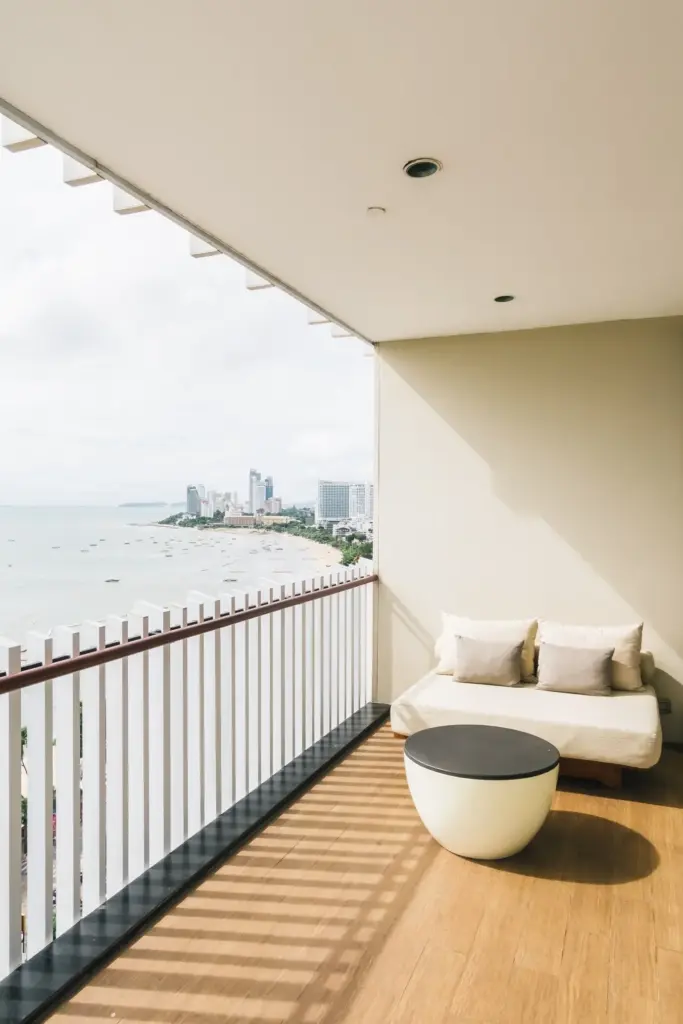


Rotate Containers With the Calendar
Match each plant’s cravings to shifting conditions. Short, purposeful moves—sometimes just a few meters—can deliver earlier blossoms, steadier growth, and fewer pest flare-ups. The goal isn’t constant motion but well-timed nudges that align roots, leaves, and light perfectly.
Park cold-sensitive pots near sunlit walls that store daytime heat, but monitor midday spikes. Use cloches or row covers on restless nights. These early boosts encourage sturdy starts, while measured shade during unexpected heat waves prevents tender tissue collapse.
Shift heat-stressed containers under dappled shade screens or behind lattice panels. Elevate pots for airflow and mulch generously to stabilize moisture. This combination calms wilting, deters blossom drop, and helps fruit set continue even when sidewalks shimmer with heat.
Give late fruiting plants a final kiss of reflected warmth near stone steps, then pull containers to wind-sheltered corners before frosts settle. Group pots to create shared insulation, and keep trays dry to reduce root damage from freezing cycles.

Match Plants, Pots, and Places
Containers act like portable habitats. Material, color, and volume modify heat and water dynamics just as much as placement does. By pairing plant vigor with pot thermal behavior and site quirks, you unlock reliable growth with minimal wasted effort.
Choose Materials for Thermal Performance
Terracotta breathes and cools quickly, suiting Mediterranean herbs in blazing summers. Glazed ceramic holds moisture and buffers swings, helping peppers or dwarf citrus. Fabric pots boost airflow and root pruning, but dry faster. Match properties to your mapped hotspots deliberately.
Pick Varieties That Reward Movement
Compact determinate tomatoes, patio eggplants, trailing strawberries, and basil respond well to strategic relocations. Cultivars bred for containers tolerate tighter root zones and intermittent shifts. When selection aligns with your microclimate map, each gentle move pays back with steadier production.
Use Companion Arrangements to Stack Advantages
Place tall, heat-friendly pots to cast protective shade on tender greens during afternoon peaks. Situate aromatic herbs upwind to confuse pests approaching fruiting plants. These small, intentional groupings amplify your map's insights and create cooperative pockets of resilience.

Irrigation That Adapts in Days, Not Weeks
Use saucers sparingly in heat waves to extend moisture without waterlogging. Install simple drip lines with quick-connects so you can reroute as pots migrate. Keep a light meter tied to watering logs to catch hidden thirst before leaves flag.

Potting Mixes That Travel Well
Combine coco coir for consistent moisture, perlite for lift, and compost for nutrition, then test a handful at different stations on your map. If one corner stays soggy, add bark fines. If crispy, increase organic matter to buffer extremes.

Feeding Schedules Linked to Exposure
Sun-bathed containers burn fuel faster than shaded companions. After a week in brighter conditions, supplement with diluted liquid feed and trace elements. When shifting to cooler spots, taper nitrogen, favor potassium, and watch for slower uptake before adjusting again.
Stories, Metrics, and Community Tips
Real gardens teach through experiments and small surprises. Share your wins and puzzles, measure outcomes, and refine the map. Together we turn local quirks into practical moves that consistently convert edge conditions into extra harvest and calmer care.
All Rights Reserved.