
Calm Breezes, Cool Shade: Elevating High-Rise Balcony Comfort
Today we focus on designing windbreaks and shade structures for high-rise balconies, uniting practical engineering with everyday delight. Expect clear guidance, lived anecdotes from real residents, and adaptable ideas that honor views while softening gusts and glare. Share your own balcony challenges in the comments, subscribe for future deep dives, and let’s turn exposed perches into welcoming, resilient outdoor rooms you will actually use through shifting seasons and unpredictable city weather.
Turbulence, Corner Accelerations, and the Venturi Surprise
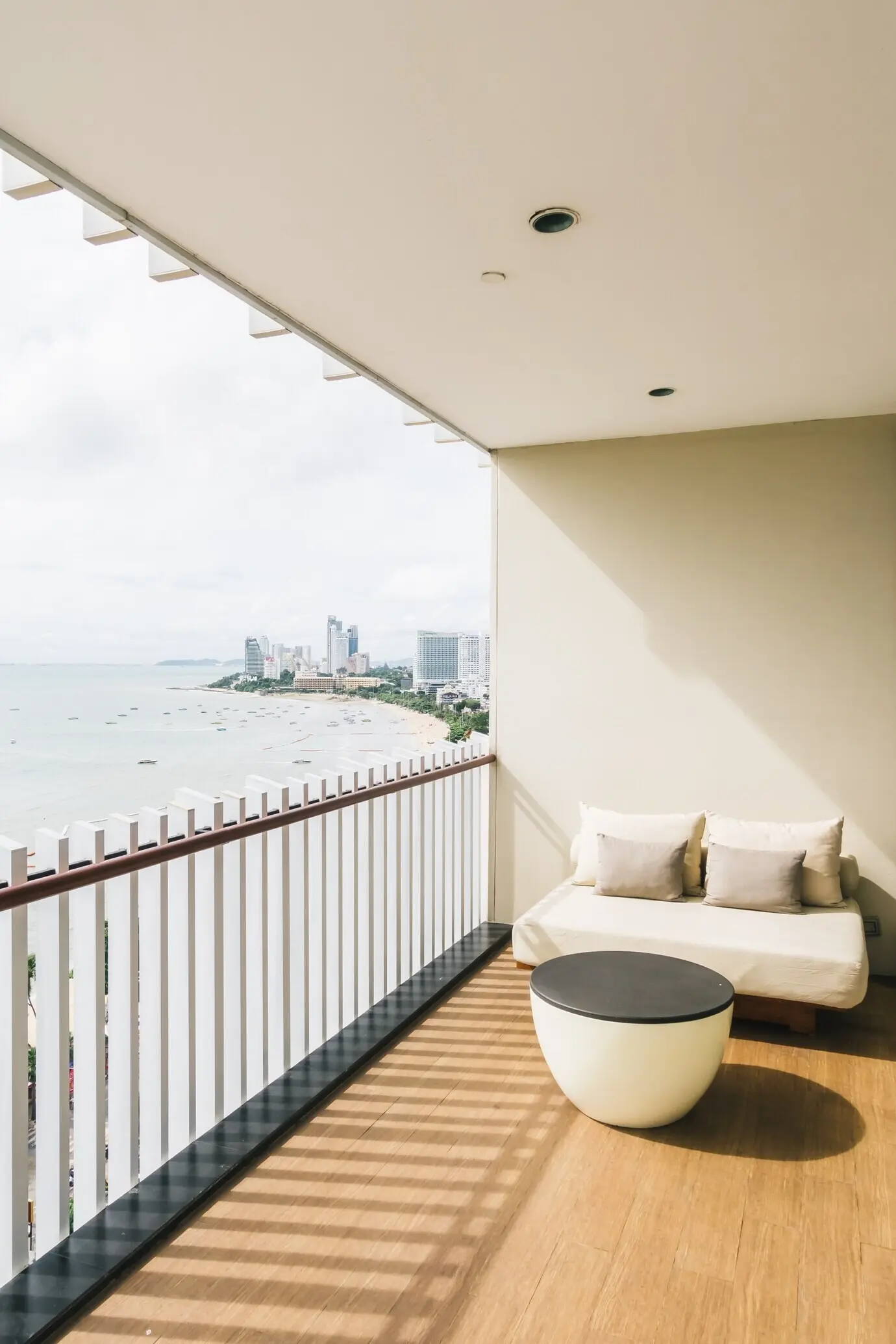
At height, air speeds up as it wraps around building corners, creating Venturi jets that can rattle planters and slam doors. Railings and undersides amplify eddies. You can calm the flow by using porous screens that bleed pressure, rounding edges, and offsetting panels to break coherent gusts. Residents often report the biggest comfort gains from strategic partial shielding rather than full enclosure, preserving views while taming the chaotic pulses that make balconies unusable.
Sun Paths, Seasonal Angles, and Thermal Exposure
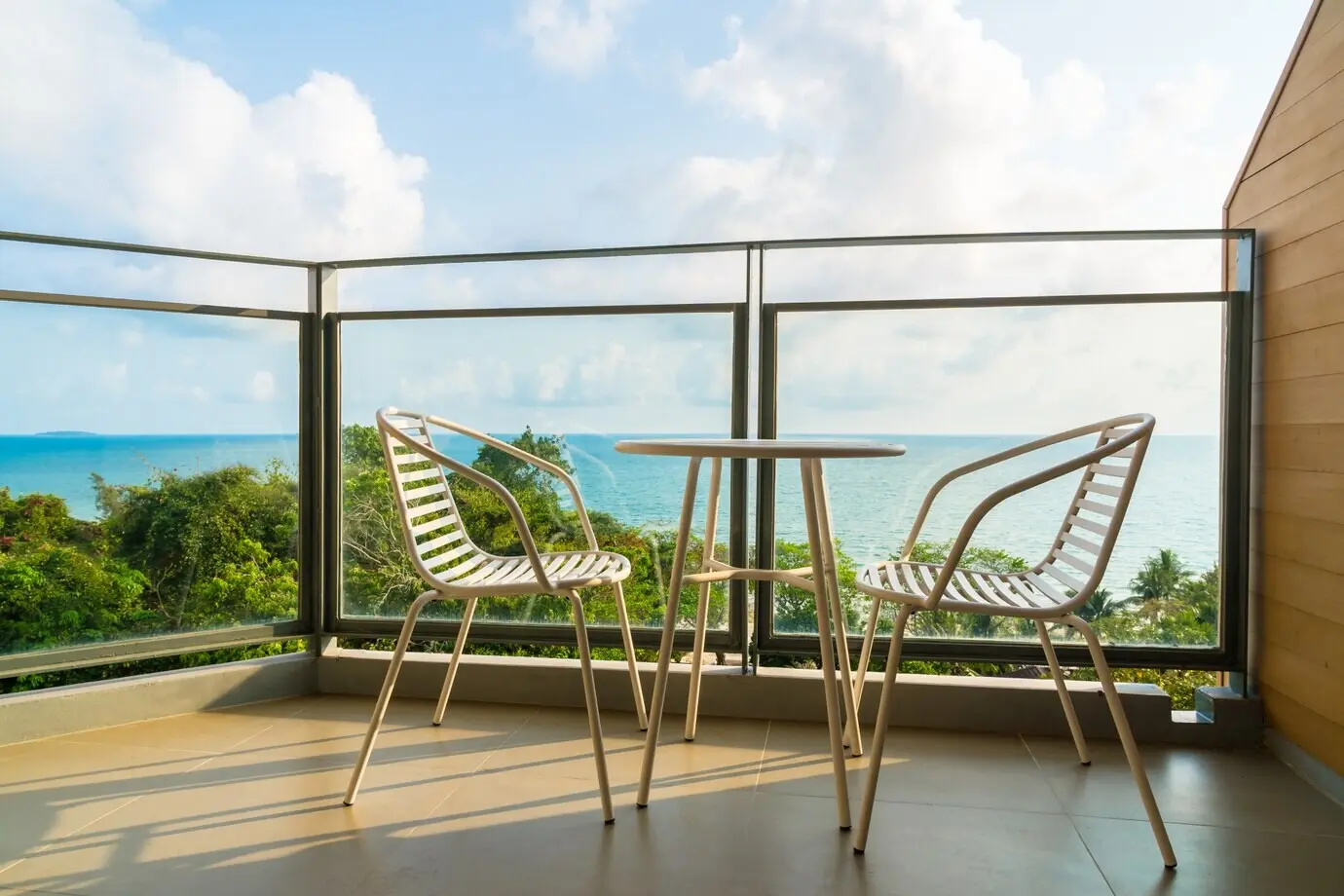
Morning and late-afternoon sun can be low and blinding, while midday summer sun is high, harsh, and radiant. Horizontal elements shade overhead well; vertical fins and curtains excel at low sun angles. Reflective glass on adjacent towers may bounce unexpected heat onto your railing. Map shadows hourly during representative days in summer and winter, then align fabric density, louver spacing, and panel orientation to target the most troublesome angles without sacrificing inviting daylight or skyline clarity.


Materials and Systems That Tame Gusts and Heat
From laminated glass and UV-stable polycarbonate to perforated metal, expanded mesh, and high-tension fabrics, materials shape microclimate and mood. Small differences in thickness, perforation percentage, or weave openness dramatically affect pressure drop, glare control, and maintenance. Choose components that meet safety standards, resist yellowing and corrosion, and fit your building’s aesthetic language. When in doubt, test a small panel for a month, because real weather will always reveal truths showrooms cannot fully demonstrate.
Structure, Anchoring, and Code Compliance
A beautiful solution fails if its anchors compromise the slab, balcony waterproofing, or railing integrity. Understand load paths, manufacturer testing, and allowable edge distances before drilling anything. Many jurisdictions regulate balcony modifications, fire behavior, and egress clearances. Seek approvals early to avoid costly reversals. A short consult with a licensed engineer can clarify wind pressures, fastener sizing, and bracket placement. Think like water and wind: where will force go, and what must remain sealed to endure the seasons?
Comfort, Safety, and Maintenance: Designing for the Long Haul
True comfort blends calm air, soft light, and trustworthy details. That means eliminating edge whistles, draining water, and protecting hands from hot metals under summer sun. Safety glass, rounded profiles, and stable furniture anchor points support daily peace. Maintenance begins on day one: select finishes that shed grime, hinges that resist binding, and fabrics that clean with mild soap. Plan for seasonal inspections and a simple checklist, then spending time outside feels easy rather than another chore competing with everyday life.

Taming Downdrafts and Edge Effects for Real Comfort
Downdrafts spill off parapets like waterfalls, striking seats unexpectedly. Offset screens above railing height, add narrow baffles near corners, and soften sharp transitions with radiused edges. Porous layers upstream of solid panels reduce drumming. If sound is troublesome, laminated glass interlayers quench resonance. Test by taping trial strips or using clip-on fabrics for a windy weekend. Small refinements can transform an hour outside from a tense balancing act into a relaxed ritual with tea, a book, and unhurried conversation.
Water, Corrosion, and the Patience of Materials
Rain seeks fasteners, seams, and the path of least resistance. Specify gaskets, butyl tapes, and drip edges that push water clear of the slab. In coastal cities, salt attacks unprotected metals quickly; choose marine-grade alloys or robust powder coats. Avoid trapping moisture behind panels by allowing discreet ventilation. Periodically rinse exposed hardware. Protect timber elements with penetrating oils that breathe. Good detailing reduces stains, creaks, and hidden failure, keeping your balcony calm and clean instead of a repair queue awaiting every heavy storm.
Cleaning, Access, and Long-Term Care Planning
Design with cleaning in mind: hinge panels outward, include pull rings for safe reach, and ensure a stable step or movable stool has room. Choose finishes that tolerate gentle detergents and soft brushes. Schedule seasonal checks for loosening fasteners, fabric tension, sealant condition, and drain paths. Keep a small kit—hex keys, microfiber cloths, lubricant—nearby. Post-install habits preserve performance and appearance, turning upkeep into a quick, satisfying routine that protects your investment and keeps the space inviting, sparkling, and reliably ready for company.
Aesthetic Integration and Biophilic Enhancements
A balcony can feel like a small courtyard in the sky when protective elements double as visual rhythm and greenery. Planters, trellises, and textured screens shape airflow while introducing scent, color, and seasonal change. Soft illumination extends evening use without glare for neighbors. Subtle patterns on clear surfaces prevent bird collisions and add depth. Consider how materials look from the street and from your sofa, aligning tones and transparencies so comfort reads as elegance rather than improvised clutter against the skyline.
Smart Controls, Modularity, and Seasonal Flexibility
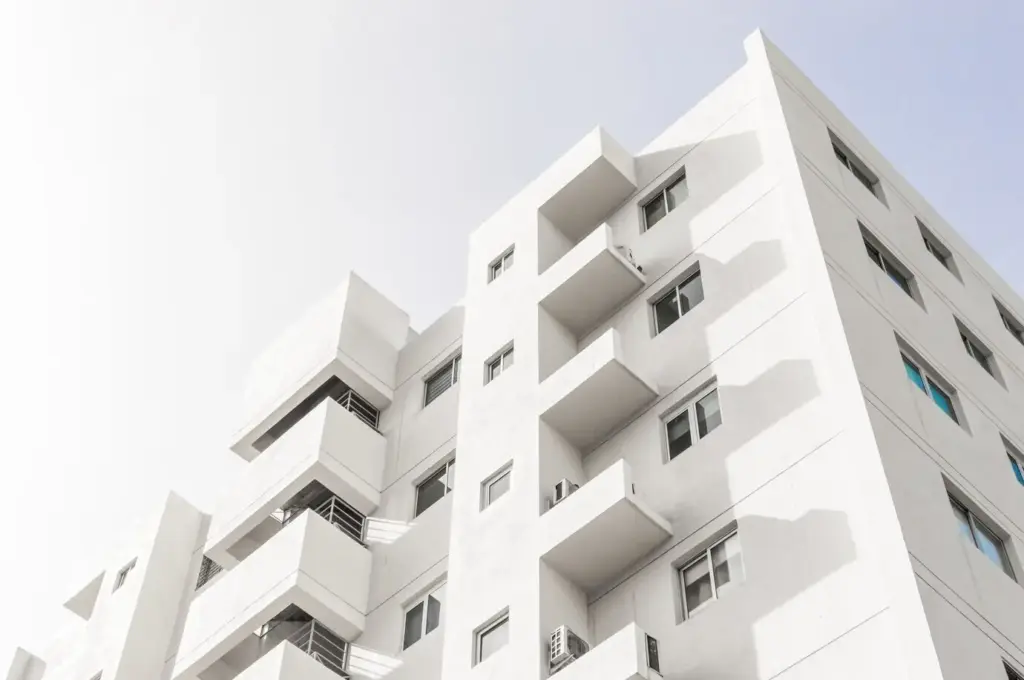
Weather shifts quickly at height, so adaptability matters. Motorized awnings tied to wind sensors protect investments by retracting automatically during gusts. Modular panels allow winter sun and summer shade, while quick-release hardware simplifies storm preparation. Store spare sections inside to extend lifespan, and label components for speedy swaps. Share your own hacks and lessons in the comments, because the most resilient solutions combine manufacturer wisdom with lived experience, forming a toolkit that evolves alongside seasons, tenants, and city rhythms.

All Rights Reserved.