
Smart Balcony Greens for Sun, Wind, and Heat
Reading Your Balcony’s Microclimate
Track Sun Paths Without Gadgets
Use your phone clock, a paper compass, and quick snapshots each hour to map light shifts. Morning rays are gentler, while afternoon sun can scorch. Note seasonal changes, neighboring shadows, and unexpected mirror-like glare from nearby windows. Mark hot spots and kinder corners on a sketch. With this simple map, you will place heat lovers where they shine and protect tender foliage where dappled light keeps colors vivid and leaves beautifully unscorched.
Find Wind Corridors and Calm Corners
Hang lightweight ribbons or string to visualize airflow and gust patterns at railing height and around doors. Notice swirling turbulence where wind meets walls and safer quiet zones behind furniture. Record strongest directions during weather apps’ predicted peaks. These clues guide where to anchor trellises, cluster heavier containers, or install low-profile windbreaks. Your plants will waste less energy resisting battering gusts and dedicate more strength to roots, blooms, and steady, compact growth.
Spot Hidden Heat Sources
Touch railings, tiles, and planters at midday and after sunset to learn which surfaces store and radiate heat. Dark metals, glass panels, and AC exhausts can raise temperatures dramatically. Move containers a few inches off hot floors, use pale saucers, and add insulating feet or wooden slats. Create shade for pots, not just leaves. By cooling roots and reducing radiant stress, you prevent wilt, blossom drop, and the weary look of midday plant exhaustion.
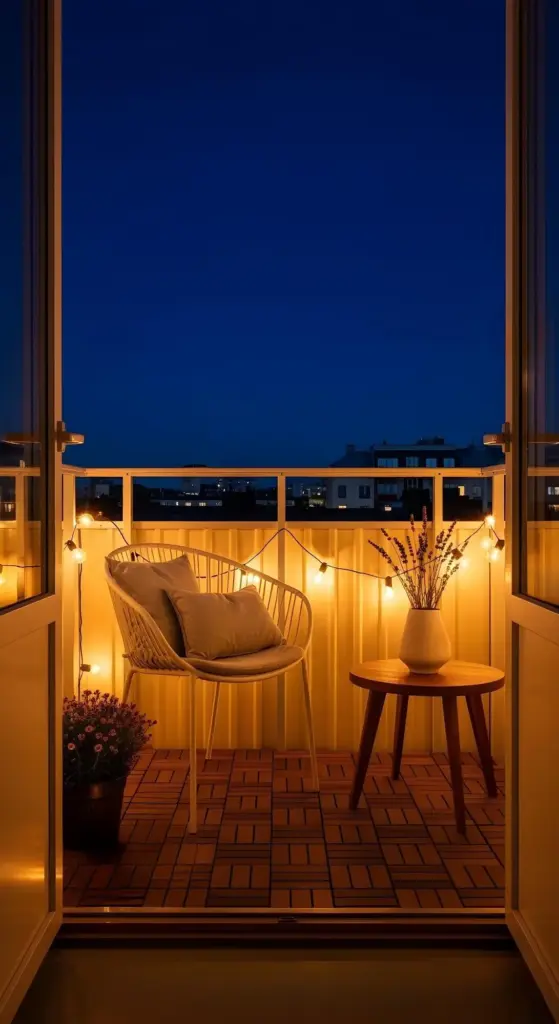

Plants That Love Full Sun and Heat
Thriving in Partial Shade and Dappled Light
Lush Foliage That Glows Without Scorching
Edibles for Gentle Light
Color and Texture Without Sunburn

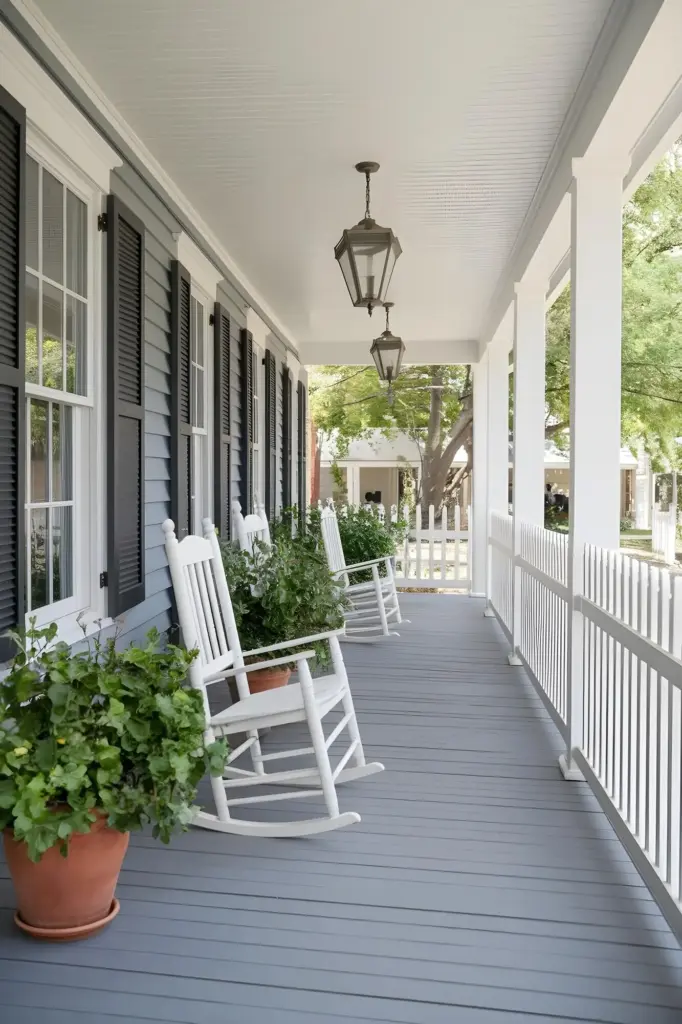
Beating the Wind Without Losing Beauty

Mixes That Balance Drainage and Retention

Containers That Keep Roots Cool

Watering Rhythm That Plants Understand

Seasonal Strategies and Care Routines
All Rights Reserved.